November 28, 2026
Google Ads or Facebook Ads for Reaching Local Homeowners
By @neighborhoodsearch
Local homeowners rarely shop in one place. A roof leak, a new HVAC system, a fence repair, or a kitchen remodel can start with a search, a neighborhood recommendation, a social post, or a quick phone call. That is why local advertising services often work best when the channel matches the way people make the decision, not when every budget goes to the same platform by habit.
Google Ads and Facebook Ads can both put a contractor or home service business in front of nearby homeowners. They do it in different ways. One tends to catch people when need is clear. The other tends to build awareness among people who may not be looking yet. The right choice depends on the service, the area, the lead volume needed, and how well inquiries are handled after the click.
What each platform is good at
Google Ads is strongest when a homeowner types a question or request with intent. Search terms such as emergency plumber near me, roof repair estimate, or AC service in a specific city tell you a lot about what the person wants at that moment. That makes keyword targeting central. Broad terms can bring curiosity and mixed quality. Specific terms often cost more competition wise, but they tend to connect with people who have a clearer problem.
Facebook Ads works differently. It can show an ad to people based on location, interests, demographics, and behaviors. For local homeowners, that may include people in a defined radius, homeowners in certain age ranges, or audiences with interests related to home improvement. The appeal is visibility before a search happens. A homeowner may not need a new water heater today, but a timely ad can plant the idea and keep the business in mind when something fails.
Neither option is automatically better. Search captures demand. Social can create it and reinforce it. Many local campaigns use both, but the budget split should be based on what a business can handle and what kind of leads it needs now.
When Google Ads suits a local service
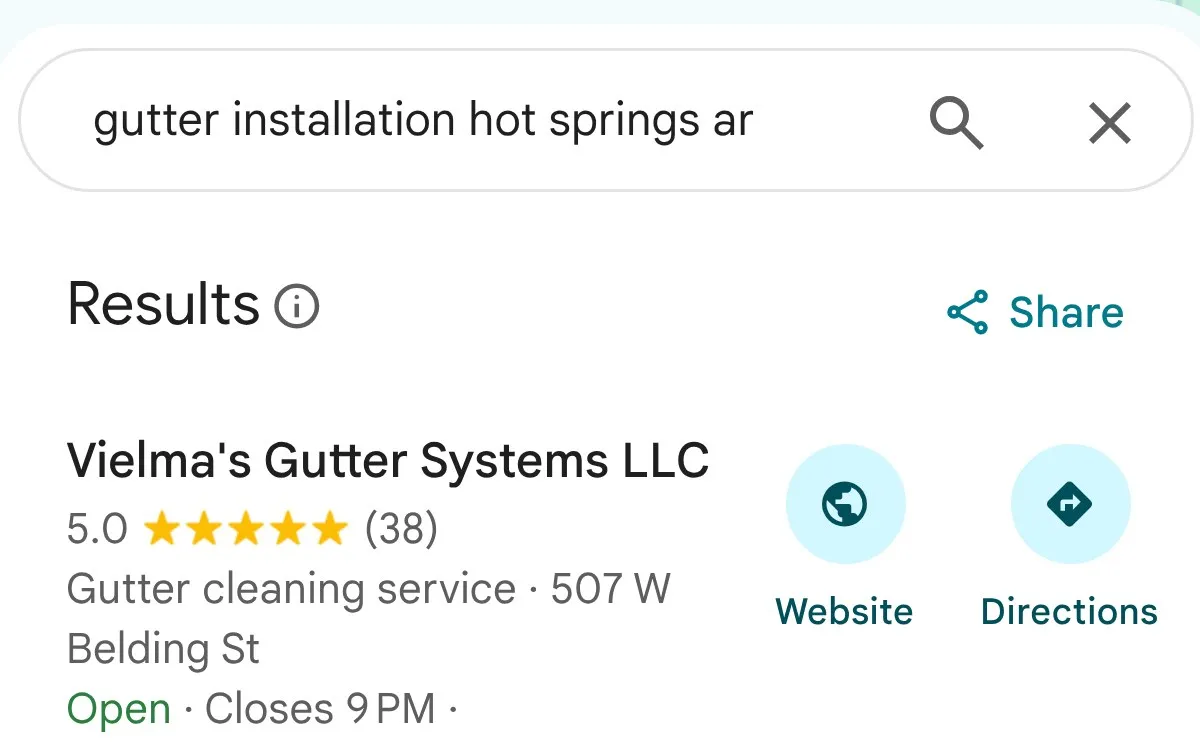
Google Ads usually fits services people search for when something is urgent or already planned. Examples include drain cleaning, water heater repair, storm damage roofing, HVAC service, electrical troubleshooting, and tree removal after severe weather. In these cases, the homeowner often wants a phone number, clear service area, proof of trust, and a fast path to booking.
Good Google Ads management starts with separating high intent searches from vague ones. A campaign for refrigerator repair near a city is not the same as a campaign for home renovation ideas. The first can be measured by calls and booked jobs. The second may need more education before a homeowner is ready. Location settings also matter. A business that serves a small region should avoid paying for clicks from places it cannot serve, even if those clicks look cheap.
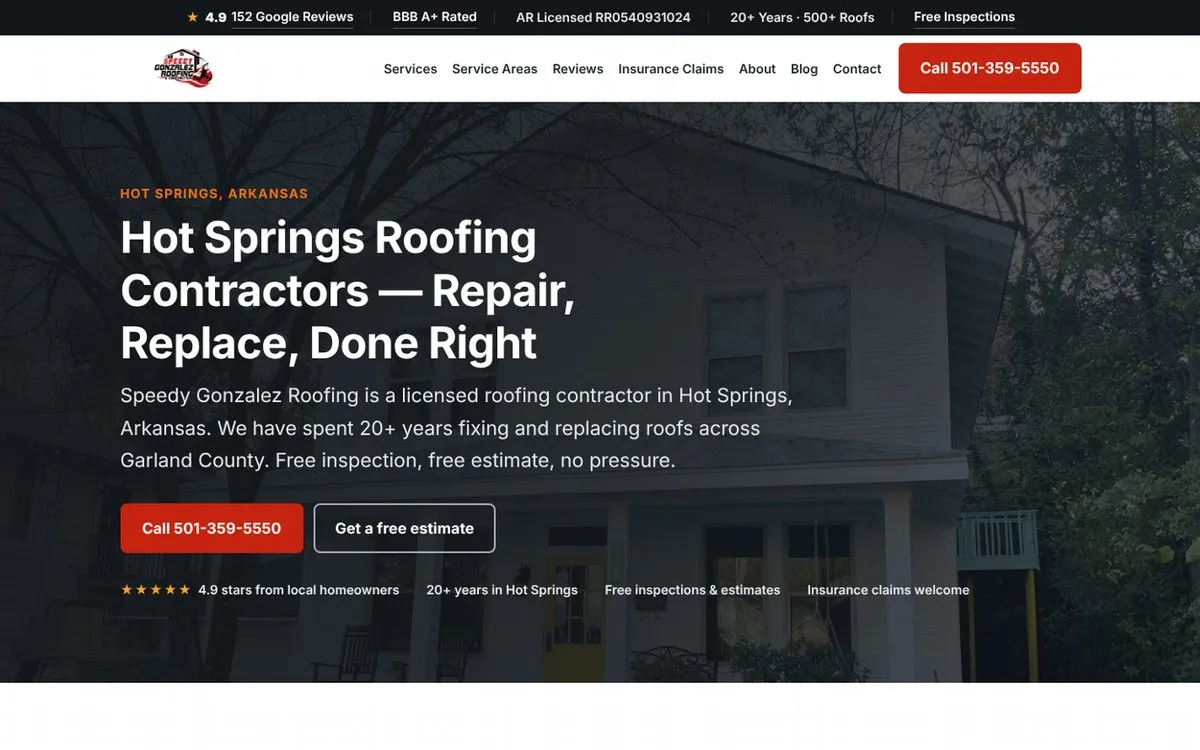
The landing page carries a lot of weight here. A homeowner who searches for a local contractor wants to know who will show up, what service is offered, where the business works, and how to contact it. A page that buries the phone number or sends visitors to a generic home page can weaken the campaign even when the ad is well written. Clear service pages, review signals, and simple calls to action make the click more useful.
Tracking is another practical concern. Call tracking can show which campaigns produce real inquiries rather than just clicks. With local service businesses, a phone call may be the main conversion, so relying only on form submissions can give a distorted picture. A keyword that looks expensive on paper may be worth keeping if it consistently produces good calls. A cheap keyword that wastes staff time should be reviewed.
When Facebook Ads suits a local service
Facebook Ads often fits services with a longer decision cycle or a visual component. Landscaping design, bathroom remodeling, painting, flooring, window replacement, and home organization can benefit from showing work before a homeowner is ready to request an estimate. Photos and short videos can make the offer easier to understand than text alone.
The platform can also help with seasonal and local timing. A lawn care message may land better when yards start growing. A gutter cleaning reminder may make sense before storm season. A remodeling ad may work when homeowners are planning projects. This does not mean every homeowner will act right away. It means the ad can keep a business visible while the need develops.
The main challenge is lead quality. A click from social media may represent interest, not immediate need. That is not a flaw, but it changes how results should be judged. If the goal is booked appointments, the ad needs a direct offer, a simple form or call option, and a landing page that explains the next step. If the audience is too broad, the campaign can collect names that never become jobs.
Creative quality matters more here than many expect. A clear photo of completed work, a plain explanation of the problem solved, and a focused service area can outperform a flashy but vague ad. For contractors, trust signals such as licensing, reviews, and service guarantees should be stated carefully and only when accurate. Homeowners are cautious about who enters their property, so clarity helps.

How to compare them fairly
The comparison should not stop at click through rate. A social campaign may get more clicks at a lower price, while search may bring fewer clicks with stronger intent. The useful question is which channel produces inquiries that turn into scheduled work. That means looking at cost per lead, call quality, appointment rate, and return on ad spend over a reasonable period.
A simple way to frame the decision is to match the campaign to the homeowner mindset:
- Active problem: search ads can meet the homeowner at the moment of need.
- Planned project: social ads can build familiarity before the estimate request.
- Seasonal service: both can work, with search capturing demand and social supporting timing.
- Emergency service: search usually deserves priority because response time matters.
Budget also shapes the choice. A smaller budget is often better spent on a narrow search campaign with strong coverage in the core service area than on many social audiences. Once the basics are working, social can add another route to the same market. Spreading money too thin across both can leave each campaign without enough data to learn from.
Local advertising services should also account for the follow-up process. Ads do not fix missed calls, slow replies, unclear estimates, or weak scheduling. If inquiries arrive and nobody responds quickly, more traffic will not solve the problem. Before increasing spend, it helps to check whether calls are answered, messages are tracked, and the booking path is easy for both the homeowner and the office.
Common mistakes to avoid
One mistake is treating all nearby clicks as equal. A person outside the service area may never become a customer, even if they live close to the city center. Another is using one landing page for every service. Homeowners searching for a specific repair want to see that repair addressed directly, not a long list of unrelated services.
Some campaigns also chase cheap clicks without checking what happens after the click. A low cost per lead can still be poor if the leads are not qualified. On the other hand, a higher priced lead may be reasonable when it turns into scheduled work. This is why conversion rate should be read alongside lead quality, not as a standalone score.
Another issue is ignoring the offline side of the result. In home services, a call can be the beginning of a job that is booked days later. If tracking only counts instant form fills, the campaign report may understate what is happening. Consistent call handling and clear notes on where each inquiry came from make the data more useful.
Choosing the better starting point
For urgent repairs and exact searches, Google Ads management is usually the more direct starting point. It puts the business in front of people who are already asking for help. For visual projects, seasonal reminders, and reputation building, Facebook Ads can be the better fit because it reaches homeowners before a search begins.
A practical choice is to begin with the channel that matches the strongest immediate need. A plumbing or HVAC business may start with search. A remodeling or landscaping business may give social more room. As results come in, the campaign can be adjusted around actual inquiries, booked work, and the areas that produce them. The goal is not to pick a favorite platform. The goal is to reach the right homeowners, make the next step clear, and turn attention into appointments.
❧